
Views: 0 Author: Site Editor Publish Time: 2026-10-10 Origin: Site
Servicing modern refrigeration systems often hits a frustrating bottleneck when technicians rely on traditional manual service valves and piercing valves. The familiar puff of escaping refrigerant represents active refrigerant loss. It poses immediate frostbite risks. It also creates unnecessarily time-consuming connection processes. To address these hazards, commercial refrigeration and advanced residential systems are rapidly transitioning toward automated hardware solutions. Using a reliable self-closing quick valve is now standard practice. This simple upgrade ensures workflow efficiency and strict environmental compliance.
For HVAC/R technicians and facility managers, upgrading service tools matters immensely. Upgrading to a durable self closing refrigerator valve goes far beyond simple convenience. It delivers a measurable reduction in service time. It lowers your safety liability. It actively minimizes system contamination risks during routine maintenance and critical pressure diagnostics.
Relying on standard manual processes drains significant resources over time. Every routine maintenance call requires a technician to attach and detach manifold gauges. Traditional valves force them to thread and unthread fittings by hand. You must manually isolate service ports to check pressures or pull vacuums. These repetitive motions consume valuable billable minutes. Multiply this lost time across dozens of service calls weekly. You quickly see how manual processes cripple operational efficiency. Technicians waste effort fighting stubborn connections instead of diagnosing core system issues.
Refrigerant loss remains an inevitable reality with standard hoses and manual valves. You hear a distinct hiss when you disconnect a standard fitting. That sound represents active refrigerant venting into the atmosphere. We often call this the "puff." While one puff seems minor, it degrades the system charge over multiple service visits. Small-capacity systems suffer the most. A few manual disconnections can drop a low-charge refrigerator below its optimal operating threshold. This subtle drain leads to warm boxes, spoiled inventory, and frustrating callback visits.
Manual fittings also introduce severe tool wear and contamination risks. Traditional piercing valves and standard brass fittings invite user error. Technicians frequently overtighten these manual connections to stop a hiss. This aggressive tightening strips delicate threads on the access ports. Damaged threads compromise the entire closed loop. Even worse, slow manual connections allow non-condensables to enter the system. Ambient air and moisture slip past the threads. These contaminants react with refrigerant oils. They form system-killing acids and sludge that destroy expensive compressors from the inside out.
The primary benefit of automated shut-off lies in its zero-loss disconnection capability. A high-quality self closing refrigerator valve relies on an internal mechanical depressor. This mechanism actuates the Schrader core instantaneously. When you pull the fitting away, the internal spring releases immediately. It traps the refrigerant inside the hose and the system simultaneously. You lose zero fluid. You preserve the system's precise factory charge. This exactness matters immensely for modern micro-channel condensers and critical-charge commercial freezers. You walk away knowing the system retains every crucial ounce of refrigerant.
Technician safety improves dramatically with self-closing technology. High-pressure liquid refrigerants expand rapidly upon atmospheric exposure. This rapid expansion absorbs massive amounts of heat. If liquid sprays your hands during a manual disconnect, it causes severe frostbite in seconds. The self-closing mechanism minimizes this dangerous exposure. It traps the liquid behind the seal before it can spray. Technicians can confidently disconnect from high-side liquid lines. They no longer fear unexpected blowback or painful thermal injuries.
Diagnostic accuracy also benefits from this technology. You need absolute closed-loop integrity for stable readings. Automated valves block atmospheric interference completely. They allow for hyper-accurate pressure testing. Vacuum readings remain stable because the seal engages flawlessly.
Consider these essential diagnostic benefits:
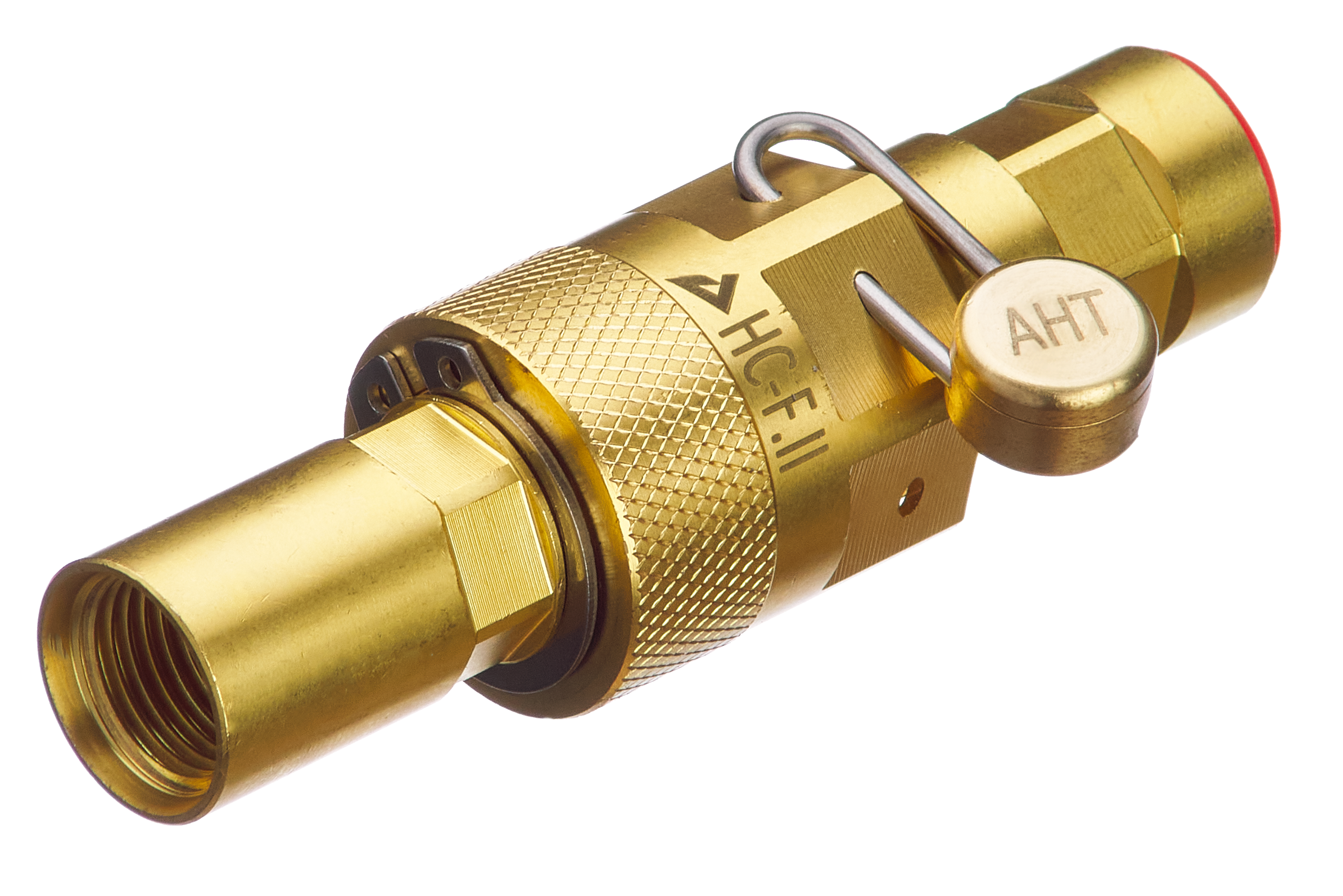
You must evaluate material and build quality carefully before outfitting your tool bag. Manufacturers typically offer standard brass fittings for basic applications. However, high-volume service environments demand tougher materials. Hardened steel and specialized alloy components resist thread wear much better. Brass is a relatively soft metal. It degrades quickly if technicians cross-thread connections often. Alloy bodies withstand the daily abuse of commercial refrigeration routes. They survive drops, extreme temperature shifts, and constant wrenching.
Refrigerant and pressure compatibility dictate your selection process. Modern systems operate at significantly higher pressures than legacy units. You must match your valve specifications to your working fluids. Standard R-134a systems generate moderate pressures. Conversely, refrigerants like R-410A, R-32, and R-290 operate under extreme stress. If you use a low-pressure valve on an R-410A system, the internal spring will fail. The pressure will force the seal open. Always verify the maximum working pressure rating before purchasing any self-closing quick valve.
Seal architecture separates professional-grade tools from disposable ones. High-grade, replaceable O-rings offer the best longevity. Look for materials like Neoprene or Teflon. These compounds resist chemical degradation from modern synthetic POE oils. Avoid products featuring integrated, non-replaceable seals. When an integrated seal inevitably wears out, you must throw the entire valve away. Replaceable architecture allows you to swap a twenty-cent O-ring instead of a twenty-dollar tool.
We must apply a skeptical lens to budget-tier products. Cheaply manufactured self-closing valves flood the market. They often suffer from rapid internal spring fatigue. They develop micro-leaks after just a few dozen duty cycles. These tiny leaks frustrate your diagnostic efforts. You end up spending more money repeatedly replacing cheap tools. Investing upfront in professional-grade hardware eliminates these hidden frustrations.
Valve Component Feature Comparison
| Component Feature | Standard / Budget Options | Professional / Premium Options |
|---|---|---|
| Body Material | Soft unplated brass | Hardened steel or nickel-plated alloy |
| Seal Type | Integrated / Non-removable rubber | Replaceable Teflon or Neoprene O-rings |
| Pressure Rating | Up to 500 PSI (Legacy systems) | 800+ PSI (Compatible with R-410A, R-32) |
| Spring Durability | Prone to early fatigue / jamming | High-cycle tension retention |
The HVAC/R industry faces strict environmental oversight. Using self-closing mechanisms aligns perfectly with regulatory expectations. The Environmental Protection Agency (EPA) enforces strict venting prohibitions under Section 608 of the Clean Air Act. Venting synthetic refrigerants intentionally violates federal law. While standard manual connections allow incidental venting, automated valves practically eliminate it. Utilizing these tools demonstrates a clear commitment to zero-venting practices. You actively protect the ozone layer and reduce greenhouse gas emissions during every service call.
Standardizing these tools creates reliable audit trails for commercial facilities. Facility managers must track leak rates for large refrigeration fleets meticulously. When technicians use a reliable self closing refrigerator valve, they stop introducing artificial leak variables. Every ounce of lost refrigerant usually gets logged. If a manual hose loses two ounces during a check, it skews the system's annual leak rate calculation. Automated tools keep these records accurate and clean. They prove that charge discrepancies stem from actual system leaks, not sloppy service connections.
We must also understand the basic fluid power principles at play. These valves manage back-pressure dynamically. As system pressure increases, it pushes against the internal closing mechanism. High-quality valves use this directional pressure to seat the internal O-ring tighter. The seal tightens effectively under varying system loads. When the compressor cycles on and head pressure spikes, the valve instinctively locks down harder. This dynamic management ensures a leak-free environment regardless of operational fluctuations.
Even the best tools require proactive maintenance. Seal degradation remains the most common point of failure. The harsh chemicals in modern refrigerants dry out rubber compounds over time. You must acknowledge that self-closing valves require regular visual inspections. Implement a strict schedule for checking O-rings. If you service high-volume commercial systems, replace the internal O-rings every three to six months. Do not wait for a blowout. Proactive replacement prevents unexpected service leaks and dangerous pressure releases.
Proper connection techniques prevent mechanical damage. Technicians often rush and attach hoses at a slight angle. This careless approach causes cross-threading. It also damages the delicate internal depressor pin. Emphasize the necessity of a straight-on approach. You must align the fitting perfectly parallel to the access port. Gently hand-tighten the knurled nut before applying any pressure. If you feel resistance immediately, back off and realign. Forcing an angled connection bends the depressor, rendering the self-closing mechanism permanently useless.
Sometimes, a valve fails to close properly upon disconnection. You need a fast troubleshooting framework for these stressful moments.
Standardizing on high-quality automated tools transforms everyday maintenance tasks. A premium self-closing quick valve translates directly to faster service calls and significantly safer working conditions for technicians. You eliminate the guesswork and physical risks associated with manual threading. More importantly, you protect the exact refrigerant charge required for modern, high-efficiency cooling systems to function correctly.
Take time today to audit your current manifold hoses and service kits. Identify any worn manual valves or heavily corroded fittings. Prioritize replacing these outdated components with rebuildable, self-closing alternatives. Ensure you match your new tools to the specific pressures of your primary refrigerants. By making this simple upgrade, you modernize your diagnostic workflow and safeguard your technical accuracy.
A: The internal mechanical closing mechanism functions universally across systems. However, you cannot use one valve for everything. The internal seal material and maximum pressure rating must strictly match your specific refrigerant. A valve rated for standard R-134a will quickly fail and leak if connected to a high-pressure R-410A or R-32 system.
A: You should perform a quick visual inspection of the seal before every single use. Look for cracks or flattening. For proactive maintenance, replace the O-rings every 3 to 6 months. High-volume commercial technicians should replace them closer to the 3-month mark to prevent unexpected blowouts.
A: Yes, they introduce a slight flow-restriction trade-off. The internal depressor pin mechanism narrows the fluid pathway, which can marginally increase deep vacuum times. However, technicians easily mitigate this issue by pairing their automated valves with dedicated core-removal tools, ensuring maximum flow rates during critical evacuations.


