
Views: 0 Author: Site Editor Publish Time: 2026-08-26 Origin: Site
Sourcing the wrong component leads to immediate system downtime. It causes hazardous leaks and expensive pipe replacements. Facilities managers know this pain intimately. You face a constant tension between driving down upfront costs and ensuring unwavering system reliability. Commercial and industrial fluid control demands absolute precision. A single mechanical failure compromises entire building pipelines.
Our goal here is completely straightforward. We provide a no-nonsense, technical evaluation framework. Procurement teams and project engineers can use it today. It helps you confidently select the right specifications for your projects. You will learn how to vet vital criteria for bulk sourcing effectively. We skip the generic fluff and focus on what keeps systems running safely. Making the correct engineering choice upfront mitigates massive downstream headaches.
Application dictates material: Standard brass suffices for non-corrosive environments, but potable water requires certified lead-free brass, and harsh water demands DZR (Dezincification Resistant) alloys.
Pressure and temperature ratings are non-negotiable: System spikes must not exceed the valve's WOG (Water, Oil, Gas) or WSP (Working Steam Pressure) limits.
HVAC requires specialized specs: A brass quick valve for split air must feature highly compatible seals (like PTFE) to handle modern refrigerants without degradation.
Supplier vetting equals risk mitigation: A reliable brass quick valve supplier provides traceable quality control, verifiable certifications, and clear cross-reference data for replacements.
What happens when a component fails early? You pay heavily for emergency maintenance labor. Technicians must depressurize the entire system before starting repairs. Facility downtime halts daily commercial operations. The compounding costs of premature failure destroy maintenance budgets quickly. Engineers specify high-quality components specifically to prevent these operational disasters. A minor drip often escalates into a major floor shutdown.
Installing non-compliant materials introduces severe regulatory risks. Potable water systems require strict adherence to national safety standards. Failing NSF/ANSI 61 guidelines invites serious legal consequences. Building inspectors will fail non-compliant plumbing systems immediately. You face hefty compliance fines and forced line replacements. Public health depends entirely on rigorous material compliance.
Companies frequently make a highly critical mistake. They use general-purpose plumbing valves in specialized environments. HVAC systems and high-pressure industrial lines demand targeted engineering solutions. You might save initial upfront costs using basic standard parts. However, this oversight creates long-term ROI loss. Standard materials degrade rapidly under harsh operating conditions. Specialized systems require components designed for exact pressure tolerances.
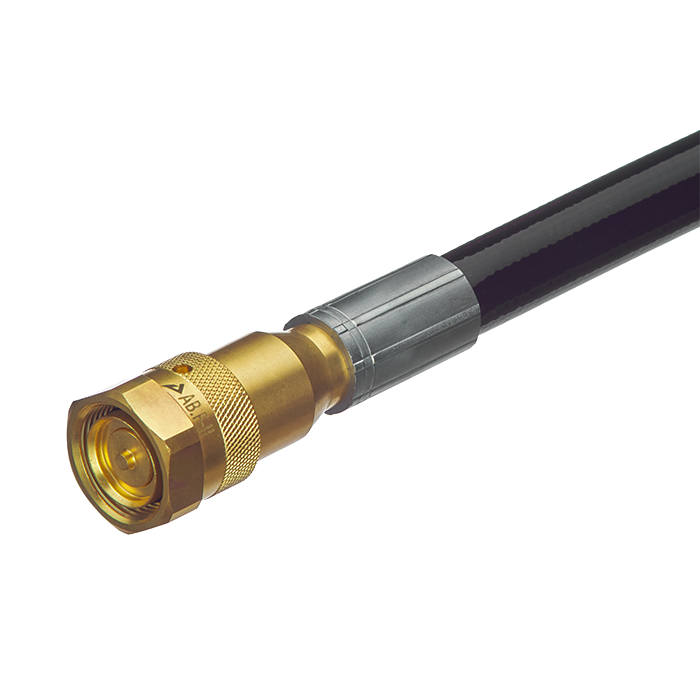
Engineers must carefully assess exactly what goes into the pipeline. Defining proper brass quick valve specifications guarantees operational safety and flow efficiency.
Standard brass (C36000) works perfectly for non-corrosive environments. However, local plumbing codes dictate strict rules for public drinking water. You must evaluate standard brass against Lead-Free Brass (C46400 or C46500). Potable applications legally mandate certified lead-free materials. Additionally, aggressive water chemistry destroys standard metal alloys over time. You must assess the necessity of DZR brass for specific regions. Dezincification-resistant alloys prevent internal structural decay. Hard water leaches zinc from standard alloys. This chemical process leaves behind a porous, fragile copper shell. DZR materials keep the metal intact under harsh chemical exposure.
Material Grade Comparison Guide
Material Grade | Primary Application | Compliance Considerations |
|---|---|---|
Standard Brass (C36000) | Compressed air lines, non-potable water, inert gas | Standard industrial codes apply. Cannot be used for drinking water. |
Lead-Free Brass (C46400) | Municipal potable water, drinking fountains, food processing | Must meet NSF/ANSI 61 and NSF/ANSI 372 standards. |
DZR Brass | Aggressive water systems, high-chloride environments | Requires specific metallurgical testing for dezincification resistance. |
You must clearly define the required Cold Working Pressure (CWP). Many piping technicians also look for standard WOG ratings. These numbers dictate the absolute safe operating limits for the intended pipeline. Surpassing these stated ratings causes catastrophic body fractures. You must also precisely map temperature tolerances to the specific media. Chilled drinking water behaves differently than low-pressure facility steam. We must emphasize the thermal limits of the internal seating material. Premium PTFE seats handle significantly higher temperatures than standard rubber components.
System flow volume requirements dictate your port sizing choice. You should compare Full Port designs against Standard or Reduced Port options. Full port designs offer maximum possible fluid flow. They create zero pressure drop across the entire line. Standard port models save component money. They remain perfectly acceptable for highly flow-restricted systems. You must also determine the necessary mechanical end connections. Installation environments vary widely across industrial sites. Choose NPT threaded ends for rigid steel pipes. Solder or sweat connections work best for traditional copper lines. Compression fittings speed up physical assembly in extremely tight spots.
HVAC environments present unique operational challenges for flow control. Standard plumbing components will eventually fail here. You need a highly dedicated brass quick valve for split air setups.
Refrigerant Compatibility: Modern HVAC infrastructure requires highly specialized internal O-rings. They also need premium PTFE interior seats. These synthetic materials handle modern refrigerants safely. You must ensure they will not degrade chemically. Routine exposure to R-410A, R-32, or synthetic compressor oils destroys standard rubber. Specialized seals completely prevent this rapid chemical breakdown.
Leak Rate Tolerances: Refrigerant loss costs facility money and harms the atmosphere. We emphasize the absolute need for zero-leakage internal mechanisms. Your selected component must maintain deep system vacuum indefinitely. Micro-leaks severely degrade overall cooling performance. They force expensive compressors to overwork constantly. Tight manufacturing tolerances prevent costly gas refrigerant loss.
Actuation Speed and Durability: Commercial buildings feature extremely tight physical installation spaces. We must discuss the mechanical engineering of the quarter-turn lever handle. This specific design allows rapid line isolation during routine HVAC servicing. Technicians need highly reliable actuation speed. They cannot struggle against stiff, jammed handles during operational emergencies. Good component engineering ensures long-term handle durability under repeated use.
Finding a trustworthy manufacturing partner heavily protects your bottom line. A reliable brass quick valve supplier offers total production transparency.
Do not accept simple random batch sampling. You must demand clear proof of 100 percent factory testing. Manufacturers should regularly perform pneumatic or hydrostatic shell testing. They must test internal seat integrity on every single unit. You should independently verify ISO 9001 manufacturing standards. Look closely for relevant regional certifications like UL, CSA, and NSF. These official marks prove strict manufacturing consistency.
Assess the actual factory capacity to fulfill large bulk orders. They must do this without ever compromising dimensional tolerances. Evaluate their logistical supply chain transparency closely. Look for convenient domestic stocking warehouse locations. Local inventory buffers mitigate frustrating project construction delays. You need a business partner capable of scaling daily production rapidly.
Look specifically for companies offering robust technical documentation. Engineers need detailed Data Sheets and complete BOMs. Direct cross-reference guides prove incredibly valuable for maintenance crews. They help you seamlessly replace aging competitor components. Transitioning older pipelines from bronze to modern brass becomes much simpler. Good technical support saves countless engineering hours.
Follow these specific steps to vet a new manufacturing partner:
Request comprehensive material test reports (MTRs) for their raw alloy sourcing.
Audit their documented quality assurance failure rate over the past twelve months.
Verify third-party testing certificates directly through the official issuing agency website.
Ask for specific technical cross-reference guides covering your current facility stock.
Even the best engineered components fail if installed poorly. Facility managers must understand basic mechanical implementation realities. Every standard brass quick valve requires proper physical handling.
Installation Tolerances: We must highlight strict torque limits during physical installation. Plumbers often use oversized pipe wrenches unnecessarily. Over-tightening causes severe structural damage. It easily cracks the forged brass body. This remains a common catastrophic failure point in rapid construction deployments. Installers must use correct hand wrenches and avoid applying uneven mechanical pressure.
Galvanic Corrosion Risks: Mating brass directly to dissimilar metals creates chemical problems. Connecting brass to raw carbon steel often triggers galvanic corrosion. We strongly advise using specialized dielectric unions. Transition fittings physically stop the electrical current between different metals. This simple step protects the entire pipeline from premature rusting.
Lifecycle Expectations: Facilities must set realistic operational assumptions on maintenance intervals. Environmental exposure limits heavily affect overall component longevity. Handle actuation stiffness often increases over significant time. Water minerals slowly build up around the internal ball and seat. Regular exercising of the lever handle completely prevents mechanical seizing.
Keep these common installation best practices in mind:
Always apply a thread sealant highly compatible with the specific system media.
Support adjoining piping adequately to remove heavy mechanical stress from the valve body.
Exercise the operating handle every six months to prevent internal mineral binding.
Never use the lever handle as a structural leverage point during pipe assembly.
Standardizing technical specifications requires careful engineering alignment. You must match the specific alloy, pressure ratings, and seat materials precisely. They must meet the exact operational demands of the flowing system. Broad generalizations lead directly to expensive facility failures. Do not compromise on temperature ratings or chemical compatibility.
We highly encourage procurement teams to audit current facility failure rates immediately. Map your precise application needs carefully across different buildings. Differentiate strictly between high-pressure HVAC and standard potable plumbing requirements. Request comprehensive technical data sheets from a thoroughly vetted supplier. Run a controlled physical trial before committing your budget to massive bulk orders.
A: Standard brass contains copper and zinc. It performs well in neutral environments. However, aggressive or hard water leaches the zinc out. This process weakens the metal until it crumbles. DZR (Dezincification Resistant) brass uses a specialized alloy blend. It prevents this chemical leaching entirely. You need DZR alloys for systems handling highly aggressive water chemistry.
A: No. Standard plumbing options use basic rubber seals. These seals degrade quickly when exposed to harsh modern refrigerants like R-410A or R-32. They also break down under synthetic compressor oils. You must choose HVAC-specific models. These feature specialized O-rings and premium PTFE seats designed strictly to prevent expensive gas leaks.
A: You should look for specific third-party regulatory markings stamped directly on the metal body. Common markings include NSF/ANSI 61 and NSF/ANSI 372. You must also request official certification documents from the manufacturer. Verify these certificates directly through the issuing agency's online database to ensure complete authenticity.
A: You need a full port design when your application cannot tolerate any pressure drop or flow restriction. The internal opening matches the pipe's exact inside diameter. This allows maximum fluid volume to pass freely. Standard port options cost less but restrict flow. Use full ports for critical main water lines and heavy HVAC systems.


