
Views: 0 Author: Site Editor Publish Time: 2026-09-03 Origin: Site
Selecting materials for HVAC and refrigeration systems carries immense stakes. A single weak point can trigger refrigerant leaks, systemic inefficiency, or catastrophic pressure failures. Standard plumbing materials inevitably fail under the intense pressures of modern refrigerants like R-410A or R-32. Choosing the wrong tube immediately disrupts project timelines and completely compromises regulatory compliance.
We designed this guide for procurement managers, engineers, and HVAC contractors facing strict project demands. You will discover an evidence-based framework for selecting, specifying, and sourcing the correct tubing for complex installations. We detail optimal wall thicknesses, physical formatting constraints, and crucial compliance checks to guarantee system integrity. By understanding these precise mechanical requirements, you can eliminate premature mechanical failures and ensure smooth project execution from procurement to final brazing.
General contractors frequently attempt to substitute standard water pipes for specialized refrigeration copper tube networks to cut upfront expenses. This decision introduces immediate structural and chemical risks. ACR (Air Conditioning and Refrigeration) tubing undergoes rigorous manufacturing processes specifically designed for high-pressure synthetic refrigerants and sensitive compressor oils.
Moisture represents the absolute greatest threat to any closed-loop cooling cycle. Modern systems utilize POE (polyolester) or PVE (polyvinyl ether) lubricants. These synthetic oils are highly hygroscopic, meaning they eagerly absorb surrounding moisture. If you introduce water vapor via uncleaned plumbing pipes, the moisture chemically reacts with the oil to form harmful acids. These acids aggressively eat away at internal compressor motor windings. This chemical breakdown causes complete mechanical failure. ACR manufacturers eliminate this risk by dehydrating tubes to exact moisture limits.
Factories produce ACR tubing under sterile environmental conditions. Once drawn and cleaned, technicians purge the internal volume using dry nitrogen. They immediately seal the tube ends using specialized caps. This pressurized nitrogen charge acts as a physical barrier. It actively prevents ambient humidity, dust, or microscopic debris from infiltrating the line during global transit and warehouse storage. Standard plumbing copper lacks this internal protection, leaving it highly vulnerable to internal oxidation.
Technicians often mix up pipe measurements when transitioning between plumbing and HVAC trades. You must understand the core dimensional standards to avoid disastrous joint mismatches.
Sizing Standard Comparison: ACR vs. Plumbing Copper
| Feature | ACR (Refrigeration) Tubing | Standard Plumbing Tubing |
|---|---|---|
| Measurement Standard | Actual Outside Diameter (O.D.) | Nominal Inside Diameter (I.D.) |
| Sizing Example | A 7/8" ACR tube measures exactly 7/8" on the outside. | A 3/4" plumbing pipe measures exactly 7/8" on the outside. |
| Internal Cleanliness | Degreased, dehydrated, and nitrogen-purged. | Contains residual manufacturing oils and moisture. |
| End Protection | Always capped or vacuum-sealed. | Usually shipped open-ended. |
Installing standard water pipe in a pressurized refrigerant circuit represents a severe code violation. Modern R-410A systems operate at high baseline pressures. The thinner walls and residual oils inside plumbing copper compromise joint integrity. Using improper materials instantly voids OEM equipment warranties. It also creates significant safety hazards for onsite technicians. Always verify tube stampings prior to installation.
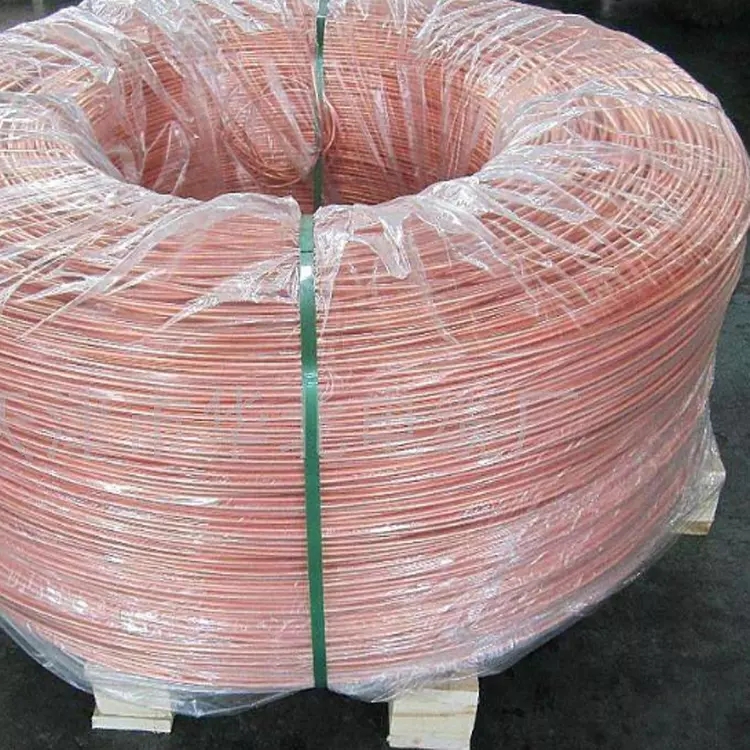
Wall thickness directly determines a pipe's maximum burst pressure. Engineers categorize copper tubing into three distinct wall thicknesses: K, L, and M. Selecting the appropriate classification ensures systemic safety across various commercial and residential environments.
Type K features the thickest wall in the commercial market. You will specify this grade for the most demanding physical environments. It withstands extreme internal pressures and severe external mechanical stress.
Type L represents the golden middle ground. It provides a medium wall thickness suitable for nearly all conventional cooling applications.
Type M utilizes a very thin wall structure designed explicitly for low-pressure gravity drains and domestic water systems.
Wall Thickness Decision Matrix Chart
| Copper Grade | Relative Wall Thickness | Primary HVAC/R Application | Approval for High-Pressure Gas? |
|---|---|---|---|
| Type K | Thickest | Underground, Industrial, CO2 | Yes (Excellent) |
| Type L | Medium | Commercial VRF, Standard HVAC | Yes (Standard) |
| Type M | Thinnest | Condensate drains only | No (High Rupture Risk) |
Physical formatting significantly impacts onsite labor hours and routing flexibility. Buyers must evaluate architectural constraints before ordering materials. You typically choose between two main structural forms: annealed coils and hard-drawn straight lengths.
Manufacturers heat-treat (anneal) this tubing to make it highly flexible. A refrigeration copper tube coil pancake coil arrives rolled in a flat, circular shape.
Use Case: Installers favor pancake coils for ductless mini-splits, residential air conditioning systems, and complex architectural routing. Because you can bend the tube continuously, you drastically reduce the number of brazed elbows needed.
Evaluation Criteria: You must assess flexibility and kink resistance. High-quality annealed copper bends smoothly around obstacles without collapsing inward. However, technicians must use proper bending springs or ratcheting benders to prevent crimping the line. Every eliminated joint removes a potential leak point, making pancake coils massive labor-savers for intricate layouts.
Hard-drawn copper does not undergo the softening annealing process. It remains rigid and arrives in distinct 10-foot or 20-foot straight sections.
Use Case: Engineers specify hard-drawn lengths for large commercial VRF systems, exposed supermarket runs requiring aesthetic straightness, and long vertical risers inside elevator shafts.
Evaluation Criteria: You evaluate hard-drawn tubing based on structural rigidity. Because it cannot bend, installers rely entirely on structural fittings to navigate corners. This formatting requires extensive brazing and proper hanger spacing to prevent line sagging. The rigid nature prevents the tube from buckling under its own weight during long vertical drops.
Even the highest-quality tubing fails if you join it improperly. System compatibility demands precise execution at every connection point.
High-grade tubing strictly requires equally rated acr fittings copper fittings. These specific wrot copper fittings undergo the same degreasing and cleaning processes as the primary piping. Standard plumbing elbows contain residual manufacturing oils. If you weld a dirty plumbing elbow onto a pristine ACR tube, you contaminate the entire circuit.
Brazing generates intense localized heat. When copper reaches brazing temperatures in the presence of ambient oxygen, it forms cupric oxide scale inside the pipe. These brittle black flakes inevitably peel off once refrigerant flows.
To prevent this, technicians must flow low-pressure dry nitrogen through the pipes during the entire brazing process. The nitrogen displaces oxygen, leaving the internal walls perfectly clean and shiny.
Flame-free press fittings are rapidly gaining adoption in commercial spaces where open flames pose extreme fire hazards (like hospitals or historic buildings). Press technology uses a mechanical tool to crimp the fitting onto the tube. When evaluating press fittings, you must verify pressure rating requirements. Furthermore, ensure the internal O-ring material remains chemically compatible with your specific refrigerant and synthetic oil combination.
Procurement teams cannot rely on visual inspections alone. You must demand authoritative documentation to verify material integrity. Integrating specific refrigeration copper tube specifications into your purchasing orders protects your liability.
ASTM B280 serves as the definitive global standard for air conditioning and refrigeration piping. When a tube carries this stamp, the manufacturer guarantees specific chemical compositions. The material must consist of minimum 99.9% pure phosphor-deoxidized copper (UNS C12200). Furthermore, this specification enforces strict limits on internal residue (typically capped at 0.0035 grams per square foot). It also governs the mechanical properties, ensuring the metal exhibits the correct tensile strength for high-pressure applications.
Engineers calculate safe working pressures based on three variables: tube outside diameter, wall thickness, and maximum operating temperatures. As temperature increases, the copper softens slightly, lowering its pressure threshold. You must cross-reference your specific refrigerant's saturation pressure against the tube's rated capacity. Modern R-410A systems can exceed 400 PSI on the high side, making burst pressure verification a critical safety step.
Always instruct buyers to look for clear UL recognition marks. Verify that the production facility maintains an active ISO 9001 manufacturing certification. High-quality piping features continuous ink stamping along its exterior. This stamping must clearly identify the outside diameter, wall type classification (K or L), and the exact ASTM specification. Missing stamps indicate counterfeit or inferior materials.
Transitioning from material evaluation to vendor selection requires diligent vetting. A poor supplier disrupts project timelines through delayed shipments or compromised materials.
Exercise extreme caution when dealing with vendors who refuse to provide Material Test Reports (MTRs). An MTR proves the exact chemical makeup and mechanical strength of a specific production batch. Furthermore, view prices suspiciously below global London Metal Exchange (LME) index rates as a major red flag. Unrealistically low prices usually indicate thinner walls, compromised purity, or lack of proper internal cleaning.
A dependable refrigeration copper tube supplier streamlines your procurement cycle through several key operational strengths:
Start by requesting physical samples to inspect wall consistency and internal cleanliness. Demand current MTRs for recent batches. Finally, align on volume pricing structures that accommodate your quarterly forecasting needs.
Securing the right copper tubing guarantees the operational longevity of any complex HVAC network. You must align your material choices directly with system pressures, routing complexity, and strict regulatory standards.
Do not compromise on tube cleanliness or wall thickness to save marginal upfront expenses. Poor materials inevitably lead to catastrophic system leaks. Contact our technical sales team today to review your specific project specifications or to request a detailed quote for certified, high-grade tubing.
A: Aluminum offers lower initial material expenses, but it introduces significant operational risks. It remains highly susceptible to galvanic corrosion when paired with other metals. Field repairs prove notoriously difficult because aluminum requires specialized brazing techniques. Copper consistently provides superior longevity, easier maintenance, and much better thermal transfer for critical refrigeration cycles.
A: Manufacturers install these caps to seal in a dry nitrogen charge applied during factory production. This pressurization actively prevents moisture, oxygen, and debris from entering the tube during transit. Removing these caps prematurely introduces humidity, which reacts violently with modern refrigerants and synthetic oils to form system-destroying acids.
A: Your OEM equipment specifications dictate this exact sizing requirement. Engineers calculate optimal tube diameters based on the total cooling tonnage, required refrigerant velocity, and maximum allowable pressure drop across the line set. Always consult the manufacturer installation manual to prevent compressor strain or inefficient heat exchange.


