
Views: 0 Author: Site Editor Publish Time: 2026-09-26 Origin: Site
Refrigerant leaks cost facilities heavily every year. Degraded line sets create severe system inefficiencies. Standard core refrigerant lines remain highly vulnerable outdoors. They face harsh UV radiation daily. Extreme thermal fluctuations stress these delicate barriers. Physical damage also threatens them if left unprotected. You must shield these components properly to prevent premature system failures. This guide delivers a structured technical evaluation framework. We explain how to select the right external packaging. You will discover the best closed-cell insulation and rigid line covers. We aim to help you protect vital HVAC investments effectively. Proper packaging ensures strict regulatory compliance across regional jurisdictions. You will learn to evaluate shielding materials thoroughly. Strong protection strategies keep your cooling systems running efficiently. We outline actionable steps for immediate implementation today.
Exposure to UV rays and ambient weather accelerates the degradation of synthetic and rubber-based refrigerant lines.
Effective protection requires a layered approach: closed-cell insulation for thermal control, paired with rigid or flexible exterior packaging for physical defense.
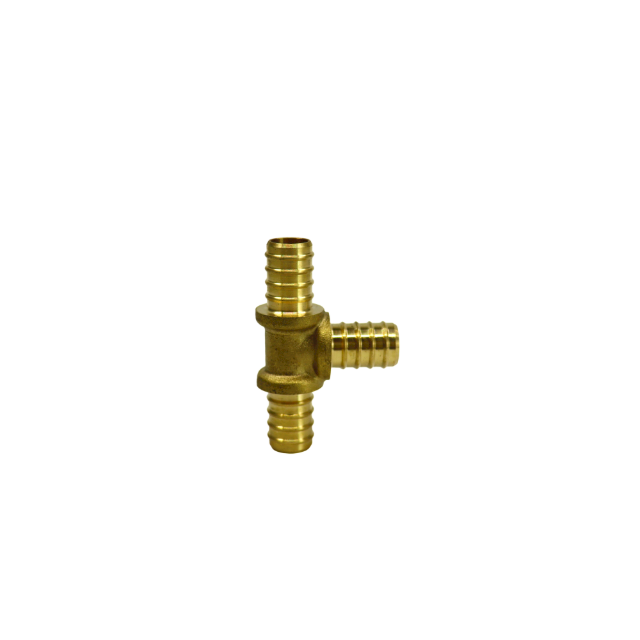
Accommodating connections—such as a brass quick valve or t type brass zinc material hose fittings—requires packaging with modular or accessible design features.
Selecting a reliable refrigerant hose material supplier requires vetting for verifiable material specifications and code compliance, not just pricing.
UV radiation damages unprotected synthetic rubber continuously. The sun emits high-energy ultraviolet light. This light breaks down vital chemical bonds inside elastomeric insulation. We call this process photo-oxidation. It leads to severe surface degradation rapidly. You will notice micro-cracking appearing first. These cracks deepen over time. Eventually, the entire insulation layer becomes brittle. It crumbles away upon simple touch. The underlying refrigerant hose material then loses its protective shield. Exposure accelerates the degradation of the hose itself.
Physical defect vectors pose equal threats. Rodents seek warm places during winter months. They frequently chew through soft rubber insulation materials. Weed trimmers cause devastating damage to residential line sets. A single string trimmer strike slices through insulation instantly. Structural abrasion also destroys protective layers. Vibrating lines rub against rough exterior walls constantly. This friction wears away insulation over time.
Efficiency loss represents the most expensive hidden penalty. Compromised packaging creates an immediate loss of R-value. This loss causes unwanted thermal bridging. The cold suction line absorbs ambient heat unnecessarily. The compressor receives warmer gas than intended. It must work significantly harder to compress this gas. This increased strain consumes much more electricity. Higher utility bills follow this inefficiency predictably. We rely on verifiable thermodynamic principles here. Damaged packaging directly reduces system cooling capacity. You experience longer run times and faster hardware wear.
You must understand your structural options thoroughly. Different environments require specific defense mechanisms. We categorize these protective solutions into three primary groups.
First, closed-cell elastomeric foam acts as the baseline barrier. It prevents heat transfer effectively. However, outdoor installations demand specialized formulations. The foam must contain built-in UV inhibitors to protect the refrigerant hose material inside. Standard indoor insulation disintegrates quickly outside.
Consider these key traits of closed-cell foam:
It blocks moisture infiltration naturally.
It maintains flexibility during extreme cold snaps.
It requires precise sizing to prevent air gaps.
It often needs supplementary painting for maximum UV defense.
Second, rigid PVC line set covers deliver heavy-duty defense. They function as a thick physical barrier against impacts. PVC covers offer unmatched structural rigidity. They shield lines from falling debris and landscaping tools. They also blend seamlessly into building exteriors. Commercial properties rely on them for clean aesthetics. Residential homes look much neater using them.
Third, woven polymeric sleeving and UV tape offer flexibility. They wrap around complex routing paths easily. Technicians can retrofit them over existing lines quickly. However, you must use them only as supplementary protection. They cannot replace primary rigid defense systems. Tape completely lacks the impact resistance of thick PVC channels.
Performance trade-offs guide your final decision. Polymeric tape offers exceptional flexibility for tight corners. Unfortunately, it provides minimal physical defense against rodents. Rigid PVC delivers superior impact resistance. Yet, it requires straight pathways and specific corner fittings.
Protective Packaging Options Comparison
Category | Primary Function | Flexibility | Impact Resistance |
|---|---|---|---|
Elastomeric Foam | Thermal insulation | High | Low |
Rigid PVC Covers | Physical barrier | Low | High |
Polymeric Tape | Supplementary wrap | Very High | Minimal |
Engineers must evaluate feature-to-outcome dimensions rigorously. You must verify thermal range capabilities immediately. The protective sleeve must endure extreme ambient temperatures. It must survive freezing winters and scorching summers. You must match these tolerances to the exact refrigerant hose material specifications. Mismatched temperature ratings cause premature packaging failure. The outer jacket might melt or crack under stress.
Hardware integration requires meticulous planning. The protective housing must accommodate bulky hardware smoothly. You absolutely cannot compress the insulation around tight fittings. Compressed foam loses its thermal resistance permanently. You must highlight specific space requirements for custom joints. For example, a t type brass zinc material hose connection demands extra clearance. The rigid cover must adapt around this protruding hardware. It cannot squeeze the underlying thermal barrier.
Maintenance access dictates long-term design success. You must ensure access panels remain easily removable. Technicians conduct routine pressure checks frequently. Modular covers should never obstruct a brass quick valve during these visits. Technicians need instant access to attach their gauges. Blocking these valves leads to destructive maintenance practices. Workers might cut away protective layers permanently.
Moisture and condensation control present another critical dimension. The packaging needs integrated vapor barriers inherently. Vapor barriers prevent the cold lines from sweating. Sweating pipes cause disastrous secondary water damage. High humidity environments demand flawless vapor barrier integrity. Proper sealing prevents moisture from breaching the insulation core. Wet insulation transfers heat incredibly fast. It defeats the entire purpose of the thermal layer.
Experience reveals where field installations typically fail. You must strictly adhere to regional mandates. Building codes dictate specific baseline requirements clearly. Energy standards like the IECC mandate minimum insulation thickness. They enforce strict UV protection rules for outdoor lines. Non-compliance often results in failed municipal building inspections. You might face costly rework orders.
Installation pitfalls destroy protective values quite frequently. Mechanics often use nylon zip ties during installation. They pull these ties far too tightly around the lines. This extreme compression crushes the closed-cell foam structure. Crushed foam permanently loses its intended R-value. The damage remains irreversible. We recommend using wide plastic saddles instead. Wide straps distribute the pressure evenly across the jacket.
Long-term maintenance realities demand honest assessments. External protective packaging remains a wear-item ultimately. It will not last forever under harsh sunlight. High winds and physical impacts take their toll. We recommend establishing proactive inspection intervals for your facility.
Follow these essential inspection steps annually:
Visually inspect rigid PVC covers for severe fading or discoloration.
Check for brittle or cracking sections along harsh southern exposures.
Examine exposed foam joints for flaking, powdering, or bird damage.
Re-seal any separated seams using approved UV-rated mastic tape.
Ensure all modular access panels remain securely fastened shut.
Choosing the right vendor impacts your long-term success. A credible refrigerant hose material supplier proves their claims clearly. You should demand total transparency in product specifications. Do they provide exact UV-resistance test hours? They must supply certified thermal conductivity ratings upfront. Always review the Material Safety Data Sheets carefully. You need to know how the materials behave under fire. Do not base your decisions solely on bottom-line pricing. Cheap covers often lack crucial UV stabilizers.
Favor suppliers offering comprehensive, unified portfolios. Look for fully integrated solutions rather than piecemeal parts. The hose, thermal insulation, and hard covers should fit perfectly together. Purpose-built systems eliminate frustrating installation gaps entirely. They ensure water-tight seals at every joint.
Evaluate the warranty fine print very closely. Many insulation warranties contain hidden void clauses. Some warranties become completely void if left unpainted. Others require pairing with a specific, brand-approved exterior cover. Ensure your chosen cover maintains the underlying insulation warranty. Strong vendor support helps you navigate these complex compliance details. A good partner answers technical integration questions promptly.
Protecting refrigerant lines requires a multi-tiered engineering approach. You must combine highly effective thermal insulation with rigid physical shielding. Skipping either layer invites premature system failure inevitably. Ambient exposure degrades synthetic rubbers far too quickly. Modern HVAC installations demand robust, layered defense mechanisms. We advise facility decision-makers to act proactively today. You should audit your current line set environments immediately. Identify any exposed, cracked, or deteriorating insulation runs. Request updated specification sheets from your current material suppliers. Compare them against updated local energy codes carefully. Upgrading your external packaging ensures ongoing code compliance easily. It prevents unnecessary compressor wear over the seasons. It also guarantees long-term operational longevity for expensive cooling assets.
A: Minimum R-value requirements vary significantly by local building codes. Jurisdictions often mandate R-3 or R-4 ratings for outdoor lines. You must use high-quality, closed-cell materials to maintain this value. Open-cell foams absorb moisture and lose thermal resistance quickly. Always consult your regional IECC guidelines before specifying insulation thickness.
A: We strongly advise against using standard plumbing PVC. Standard PVC lacks the necessary UV stabilizers for prolonged sunlight exposure. It experiences rapid discoloration and extreme brittleness outdoors. Furthermore, plumbing pipes lack modularity. Specialized line covers feature snap-together designs for easy HVAC maintenance.
A: Properly designed exterior packaging actually streamlines system maintenance. Purpose-built line covers feature snap-on components and modular access ports. These design elements allow technicians to reach joints easily. They can service valves without destroying the physical barrier. Hard-piped DIY solutions usually require destructive removal during basic servicing.


