
Views: 0 Author: Site Editor Publish Time: 2026-09-14 Origin: Site
Procuring HVAC line sets and coils in bulk magnifies both cost savings and quality risks. A single batch of sub-standard tubing can trigger skyrocketing callback rates. It can also cause premature system failures. HVAC contractors face immense pressure balancing material costs against installation reliability. Aluminum offers compelling upfront material cost reductions. It also provides lighter shipping weights. However, copper remains the historical gold standard. It provides unmatched field repairability and excellent thermal conductivity.
To make a defensible procurement decision, buyers must look beyond raw commodity pricing. You need to inspect the technical specifications thoroughly. You must verify joint compatibility and scrutinize supplier quality protocols. We will guide you through the exact inspection points necessary for evaluating these materials. You will learn how to identify critical defects before they reach your jobsites.
HVAC contractors and distributors face a constant struggle. They must secure reliable materials while managing escalating operational expenses. The material you choose directly impacts installation timelines and system longevity. You must weigh the inherent advantages of each metal against its potential failure modes.
The appeal of aluminum stems primarily from its reduced weight. Lighter materials lower your freight expenses significantly. Bulk shipments become easier to handle inside distribution warehouses. Manufacturers also appreciate aluminum for its stable commodity pricing.
Conversely, the copper advantage relies on proven historical longevity. Copper offers effortless field manipulation. Technicians can bend and route it using standard HVAC tools. It resists physical damage during rough construction phases better than softer metals.
Poor quality control introduces severe hidden consequences. Purchasing substandard copper vs aluminum AC pipe instantly negates any bulk discounts. Technicians will face heightened labor hours during installation. Pinhole leaks caused by impurities will trigger widespread warranty claims. System replacements drain your resources rapidly. You must establish strict inspection criteria to protect your reputation.
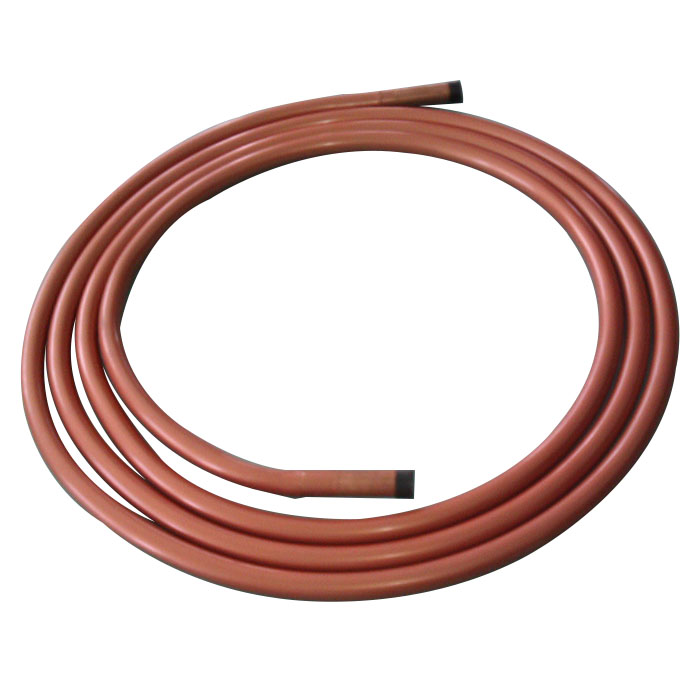
You cannot trust marketing brochures alone when buying in bulk. Physical spot-checks remain your strongest defense against defective batches. We recommend establishing a standardized incoming inspection protocol.
Best Practice: Always request a sample spool before confirming a container-volume purchase. Cut the sample open and inspect the interior finish under bright light.
Joints represent the most common failure points in any HVAC piping system. Transitioning between different metals introduces unique chemical hazards. You must inspect these connections rigorously to prevent slow refrigerant leaks.
Galvanic corrosion presents a massive threat. A chemical reaction occurs when dissimilar metals meet. Moisture-rich environments accelerate this battery effect. The less noble metal degrades rapidly. Aluminum acts as the sacrificial anode when touching bare copper. It will corrode and pit until the system loses its refrigerant charge.
You must inspect bimetallic joints meticulously. When utilizing a copper aluminum connecting pipe, scrutinize the factory-applied shrink tubing. Anti-corrosion coatings must cover the entire transition zone. Factory-welded transition joints must be flawless. Any exposed metal at the friction weld invites rapid corrosion.
Fitting compatibility also demands close attention. Evaluate how the tubing integrates alongside standard acr fittings copper fittings. Copper allows for standard brazing techniques. It also accepts common mechanical press fittings easily. Aluminum poses distinct challenges. It requires specialized fluxes and lower heat for brazing. Most contractors prefer proprietary mechanical crimping tools for aluminum to avoid burn-through.
Flaring realities further complicate aluminum installations. Aluminum remains highly prone to cracking during the flaring process. This happens frequently if the material temper varies across a bulk spool. Spot-testing flare integrity is mandatory upon receiving a new shipment.
Evaluating raw materials requires understanding their behavior in actual field environments. Both metals interact differently regarding heat transfer, environmental corrosion, and technician handling.
Copper delivers superior thermal conductivity. It transfers heat faster than an equal volume of aluminum. Aluminum manufacturers overcome this limitation by increasing the coil surface area. You must inspect the physical footprint requirements for your specific HVAC application. Larger aluminum coils might not fit inside tight residential enclosures.
Environmental corrosion attacks these metals through different mechanisms. Understanding these vulnerabilities helps you select the right material for specific regions.
Common Mistake: Installing bare aluminum micro-channel coils in heavy salt-spray environments without protective epoxy coatings leads to rapid fin deterioration.
Contractor adoption and field repair risks cannot be ignored. Aluminum is notoriously difficult to braze in the field. The melting point of aluminum sits perilously close to the brazing temperature. Technicians often burn straight through the tube. If an aluminum line leaks, standard industry practice dictates total replacement rather than repair. Copper allows for straightforward field brazing and patching.
| Performance Metric | Copper Pipe | Aluminum Pipe |
|---|---|---|
| Thermal Conductivity | Excellent (requires smaller footprint) | Good (requires larger surface area) |
| Field Brazing Difficulty | Low (standard torches & alloys) | High (requires exact low-heat control) |
| Formicary Corrosion Risk | High (susceptible to indoor VOCs) | Low (highly resistant) |
| Galvanic Corrosion Risk | Low (unless touching aluminum) | High (must be isolated from copper) |
| Standard Repair Protocol | Field braze or patch | Complete component replacement |
Your procurement success hinges entirely on your manufacturing partner. Global supply chains hide numerous risks behind attractive pricing. You must audit potential partners rigorously.
Start by verifying their certifications and compliance protocols. Ask if their products meet ASTM B280 standards for copper tubing. They should also meet equivalent international HVAC standards for aluminum extrusion. Request third-party audit reports to confirm their manufacturing tolerances.
Traceability serves as your ultimate safety net. A qualified copper vs aluminum AC pipe supplier must provide clear lot-tracking. They should supply Material Test Reports (MTRs) for every bulk shipment. MTRs confirm the exact chemical composition of your batch. You should never accept undocumented metal.
Examine their packaging and shipping standards closely. Bulk spools face immense stress during international transit.
Finally, clarify their warranty and liability terms. You need transparent terms regarding batch defects. Beware of suppliers offering prices drastically below the London Metal Exchange (LME) indices. Unusually low prices often indicate recycled, impure alloys. These impurities will inevitably cause fatigue failures under high refrigerant pressures.
The choice between copper and aluminum is never strictly binary. Your decision depends heavily on your specific application environment and installation labor skill. It also relies on your capacity to manage material handling risks. Both metals offer distinct engineering advantages when manufactured correctly.
We recommend choosing copper for premium residential and commercial line sets. It remains superior for applications where field repairs occur frequently. Copper is also essential when standard ACR press fittings are heavily relied upon by your crews. Opt for aluminum strictly in highly controlled manufacturing environments. Factory-sealed condenser coils benefit greatly from aluminum's light weight. Just ensure strict anti-corrosion transition joints are verified.
Your immediate next step is thorough supplier vetting. Request sample spools and lot-specific MTRs from your shortlisted suppliers. Conduct internal pressure and brazing tests before committing to a container-volume purchase. Protecting your supply chain quality ensures long-term operational success.
A: No. Brazing copper fittings directly to aluminum requires specialized zinc-aluminum flux. It also demands highly controlled low-temperature torches. These methods are completely impractical for standard field repairs. You must use mechanical press fittings designed specifically for dissimilar metals to ensure a secure, leak-free joint.
A: Factory-made bi-metal transition pipes are friction-welded in highly controlled environments. They are then permanently sealed using anti-corrosive heat-shrink material. This isolation prevents galvanic corrosion. Attempting to field-braze copper directly to aluminum is highly prone to microscopic leaks and rapid joint failure.
A: Aluminum possesses a lower tensile strength than copper. To safely handle the extreme operating pressures of modern refrigerants like R-410A, aluminum pipes must be manufactured with significantly thicker walls. A copper pipe of the same external diameter can achieve identical burst pressures using thinner walls.
A: Both materials require heavy protective coatings in salt-heavy coastal environments. Bare copper will oxidize green rapidly. Bare aluminum will pit and degrade even faster due to salt exposure. Coated aluminum micro-channel coils perform very well, provided the protective factory epoxy layer remains completely uncompromised during installation.


