
Views: 0 Author: Site Editor Publish Time: 2026-07-02 Origin: Site
The transition to R32 refrigerant offers higher efficiency and lower environmental impact compared to older chemicals. However, its higher operating pressures demand flawless installation to prevent long-term issues. Traditional flared connections requiring vacuum pumps often introduce significant room for error. They complicate otherwise straightforward setups for independent installers and property managers. The emergence of the precharged R32 quick connect lineset effectively eliminates the most complex step of HVAC installation. This approach removes the steep learning curve associated with handling high-pressure refrigerants entirely.
This guide evaluates the technical reality, implementation risks, and selection criteria for utilizing precharged linesets in modern split AC systems. You will learn how these components function under stress and extreme weather conditions. We also provide a clear, evidence-based framework for decision-making regarding system compatibility and correct pipe routing.
Standard split system setups follow rigid protocols. Technicians must manually flare copper ends carefully. They perform nitrogen pressure tests to detect microscopic flaws. Next, they run deep vacuuming procedures. They use digital micron gauges to verify optimal vacuum depth. For non-professionals, this workflow introduces immense operational risk. Minor mistakes create micro-leaks. These leaks drain the valuable R32 slowly over several months. Moisture contamination poses an even greater threat. Atmospheric moisture reacts unfavorably inside the compressor chamber. It forms corrosive acids upon contact. These acids destroy internal motor windings rapidly. Ultimately, poor installation guarantees premature compressor failure.
A factory-sealed alternative bypasses these specific hurdles completely. A precharged AC lineset arrives from the factory fully prepared for action. Manufacturers evacuate all air beforehand. They pull a deep vacuum below 500 microns. They then fill the lines precisely. The volume of R32 matches the specific pipe length perfectly. This precision eliminates dangerous guesswork. You merely align the fittings and tighten them securely. The internal mechanisms handle the dangerous pressure transfers.
We must weigh upfront expenses against long-term reliability. A quick connect copper lineset carries a premium initial cost. It costs notably more than bulk raw copper tubing. However, it offsets other hidden installation expenses. You avoid purchasing or renting specialized diagnostic tools. You skip the expensive vacuum pump and manifold gauge set. Furthermore, it mitigates severe financial risks. A botched DIY installation usually voids manufacturer warranties immediately. Replacing a damaged condenser easily costs thousands of dollars. The premium paid for factory-sealed lines acts as cheap insurance. It guarantees a moisture-free, properly pressurized circuit from day one.
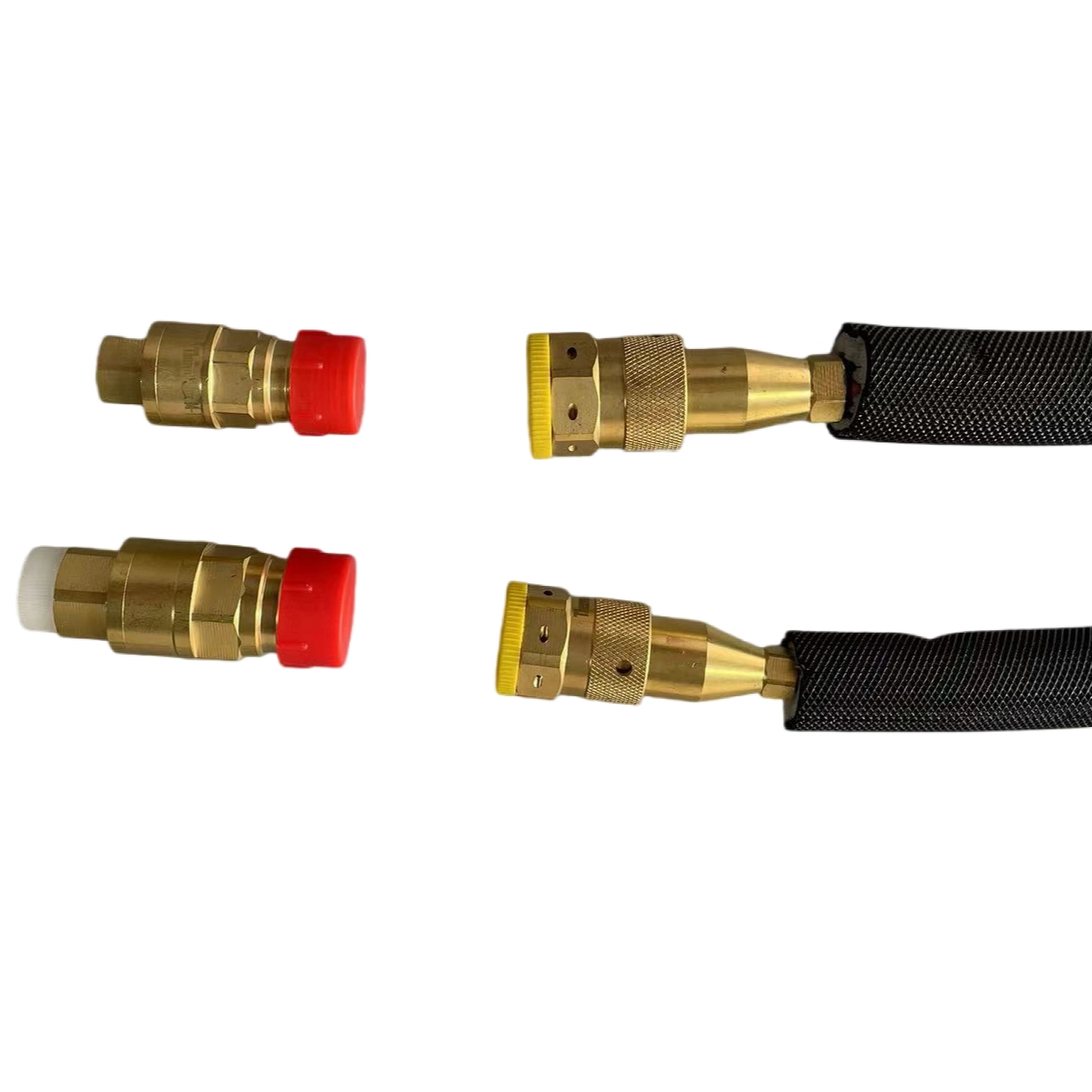
Quick-connect fittings rely on ingenious internal engineering. They utilize specialized internal diaphragms. These diaphragms hold the high-pressure liquid safely inside the tubing. As you torque the fittings together, physical changes occur inside the block. Internal metal valves pierce the primary seal smoothly. They release the R32 into the main circuit. Crucially, they accomplish this action without exposing the system to atmospheric air. The outer threads form an airtight mechanical lock first. The inner seal breaks only after the outer lock secures the connection fully. This dual-stage engagement prevents dangerous chemical venting. It protects the user from sudden frostbite or chemical burns.
R32 features very specific behavioral characteristics. Industry regulators classify it as A2L mildly flammable. It also operates at extremely high internal pressures compared to older chemicals. These factors demand rigorous manufacturing standards. Factories cannot use standard plumbing materials here. Manufacturers utilize properly annealed, continuous-run copper. Annealing softens the metal under controlled heat. This softening prevents microscopic stress fractures during bending. Continuous runs eliminate hidden joints inside the insulation walls. Weak spots typically fail under high pressure loads. Thick, seamless copper guarantees structural longevity over decades.
Thermal management plays a crucial role in overall performance. A proper vacuumed connecting pipe includes specialized outer layers. Factories pre-wrap the copper in thick thermal insulation. This dense foam resists harsh ultraviolet degradation outdoors. It also features strict flame-retardant properties for residential safety. Quality insulation prevents destructive condensation build-up indoors. Uninsulated lines sweat profusely inside drywall cavities during humid summers. This condensation triggers rapid hidden mold growth. Moreover, thick insulation maintains optimal energy efficiency. It preserves valuable SEER2 ratings. It keeps the liquid line perfectly cool during summer extremes.
Selecting the correct hardware requires careful physical inspection. Not all precharged kits share the same engineering quality. You must evaluate internal components thoroughly before beginning your project.
Assess the specific coupler types first. Some manufacturers utilize highly proprietary locking mechanisms. Others rely on universal thread patterns. You must match the lineset brand to your condenser directly. Check your air handler specifications as well. Mismatched threads cause immediate pressure blowouts. A reliable R32 AC pipe kit explicitly lists compatible equipment brands. Do not force incompatible fittings together. Cross-threading destroys the expensive valves instantly and ruins the seal.
Inspect the minimum wall thickness closely. R32 compliance mandates thicker copper than older R22 systems. The high operating pressure stresses thin walls severely. Look for ASTM B280 certified copper tubing on the specification sheet. This certification ensures proper tensile strength. Inferior grades warp or split during extreme heat waves. Always verify the gauge rating before confirming your purchase.
Evaluate how different brands handle long distance runs. Sometimes your indoor unit sits far away from the condenser. You might need 40 feet of line. Precharged lines usually max out around 25 feet per segment. Discuss the availability of specialized precharged couplers. These heavy-duty unions allow you to combine two separate linesets. For example, you can connect a 16-foot and a 25-foot line. The union pierces both sides simultaneously upon tightening. You extend your reach safely without losing system pressure.
| Implementation Feature | Standard Bare Copper | Precharged Quick Connect Kit |
|---|---|---|
| Preparation Requirement | Manual flaring, nitrogen testing, vacuuming | Plug-and-play mechanical seating |
| Specialized Tools | Vacuum pump, manifold gauges, flaring block | Crescent wrenches, backup wrench, leak spray |
| Refrigerant Status | Empty; requires manual charging and weighing | Factory filled with exact R32 volume |
| Length Flexibility | Cut to exact custom length on site | Fixed lengths; excess must be coiled flat |
Installing these systems involves fixed mechanical rules. You cannot cheat the physical properties of pressurized gas. Ignoring these rules guarantees catastrophic system failure.
Address the most common point of installation failure first. Because the lines arrive precharged, they possess a strict "no-cut" limitation. You absolutely cannot shorten them under any circumstances. Cutting a pressurized line triggers massive chemical venting. It blasts freezing R32 liquid out of the tube instantly. This action ruins the expensive lineset entirely. It also creates a severe environmental and safety hazard. You must accept the fixed length you originally purchased.
Since you cannot cut the pipe, you must store the excess carefully. Coil any extra split air conditioner lineset horizontally. Imagine laying a garden hose flat on the ground. Never coil the copper vertically like a wheel on a wall. Vertical loops create dangerous oil traps. Compressor oil circulates through the pipes continuously. It must return to the outdoor unit smoothly. Vertical loops trap this vital oil permanently. A starved compressor seizes up and dies within weeks. Horizontal coiling ensures flawless oil return via gravity.
Copper tubing possesses distinct structural limits. Bending the pipe too sharply causes kinking. A kinked line restricts refrigerant flow drastically. It forces the compressor to work twice as hard to push the liquid. Eventually, the restricted flow causes internal icing and shutdown. Always respect the minimum bending radius specified by manufacturers. We strongly recommend using dedicated lineset bending tools. Alternatively, insert protective plastic bending sleeves over the copper. These sleeves support the walls during tight 90-degree turns. They maintain a perfect cylindrical shape through difficult corners.
The phrase "quick connect" misleads many beginners. It does not imply "hand tight." You cannot twist these fittings by hand and walk away safely. You face an absolute necessity to use proper heavy wrenches. Failing to torque the fittings properly leaves the piercing valves partially closed. This creates massive flow restrictions inside the joint. Furthermore, loose threads allow microscopic amounts of R32 to escape. Use two heavy-duty adjustable wrenches. Hold the backup nut completely stationary. Pull the primary nut smoothly until it bottoms out completely. Follow the manufacturer's exact torque specifications. Spray soapy water over the final joints. Watch closely for bubbling to verify a perfect seal.
Careful planning prevents frustrating installation delays. You must calculate your parameters accurately before purchasing anything. Use a logical framework to shortlist your final components.
Avoid common mistakes during this phase. Never guess the distance visually instead of using a physical tape measure. Remember to account for the depth of exterior brick walls. Finally, do not purchase a kit based solely on aesthetic reviews rather than correct BTU capacity.
A well-planned installation saves significant frustration and labor expenses. The factory-evacuated approach represents a mathematically sound investment for independent builders and careful homeowners. By eliminating specialized tooling, you focus entirely on correct placement and routing.
Take action by finalizing your specific room BTU requirements today. Map your exact exterior routing path with a flexible measuring tape. Once your measurements are secure, select a compatible high-pressure lineset and condenser ecosystem. Proceeding with accurate data ensures a seamless, durable cooling setup for your space.
A: No. Cutting the line will vent the pressurized R32 refrigerant into the atmosphere immediately. This ruins the lineset completely and creates a severe environmental and safety hazard. You must manage any excess length by coiling it horizontally on the ground or mounting brackets.
A: No. The connecting pipes are factory-evacuated and thoroughly sealed. When you connect them properly to a compatible precharged condenser, they release the gas securely. No secondary vacuuming or standard nitrogen pressure testing is required.
A: Once connected and the internal seals are pierced, they function as standard open linesets. Disconnecting them will vent the refrigerant rapidly. You cannot reuse them unless the system is professionally pumped down by a certified HVAC technician first.
A: Generally no, unless explicitly rated for dual usage by the manufacturer. R32 linesets often require different internal O-rings, distinct thread specifications, and higher pressure tolerances. Always buy an R32-specific kit to avoid leaks and warranty voids.

