
Views: 0 Author: Site Editor Publish Time: 2025-12-01 Origin: Site
When it comes to sealing threaded connections in plumbing and industrial applications, the correct use of Teflon tape (also known as PTFE tape) is crucial. Brass fittings, commonly used in systems ranging from refrigeration to plumbing, are often paired with Teflon tape to create leak-proof seals. But how many wraps of Teflon tape should be applied to brass fittings for optimal performance? In this article, we’ll break down the role of Teflon tape in sealing brass fittings, the recommended number of wraps, and best practices to ensure successful installation without leaks.
Thread sealing is essential in many applications where brass fittings are used, especially when dealing with liquids, gases, or pressurized systems. Brass, like any material used in threaded connections, has tiny imperfections in its threads that could allow fluids or gases to leak. Teflon tape helps to fill these gaps, ensuring that no unwanted leaks occur.
The primary function of Teflon tape is to create a lubricated barrier between the threads, which facilitates a tighter connection when the fitting is tightened. This reduces friction, making it easier to tighten the connection, and ensures a more reliable seal. The tape also compensates for any imperfections in the threads, providing a smooth surface that prevents leakage.
The use of Teflon tape is particularly important in threaded brass fittings. Brass fittings typically use pipe threads such as National Pipe Thread (NPT) or BSP (British Standard Pipe). These threads are designed to create a tight mechanical seal, but they often require additional sealing material to achieve the best performance, especially in systems under pressure.
Teflon tape is widely recommended for NPT threads as it ensures that the fitting’s threads are properly sealed, minimizing the risk of leaks. It’s also compatible with a variety of other pipe materials, including steel, PVC, and copper, making it a versatile solution for most applications where brass fittings are used.
Industry standards for the number of wraps of Teflon tape required for brass fittings generally fall between 2 to 5 wraps, depending on the specific application and the thickness of the tape. For standard Teflon tape, 2–3 wraps are typically sufficient for most residential and commercial applications, such as plumbing and low-pressure systems.
If using thicker PTFE tape, or for applications involving higher pressures or extreme conditions (like refrigeration or industrial systems), 3–5 wraps may be recommended. Thicker tape helps to ensure a tighter seal, especially when dealing with larger diameter threads or higher pressure environments.
Many manufacturers suggest 2–3 wraps for typical brass fittings in residential plumbing systems, ensuring that the tape fills the gap between the threads and forms a proper seal. This number of wraps ensures that there is enough material to prevent leaks but not so much that it causes issues with threading or fitting tightness.
A common recommendation from manufacturers is to use 2–3 wraps of Teflon tape for brass fittings. This standard is based on the assumption that the tape is of typical thickness and is applied correctly. Using more than the recommended number of wraps can lead to problems such as misthreading, over-tightening, or cracking of the fitting, which can cause additional problems down the line.
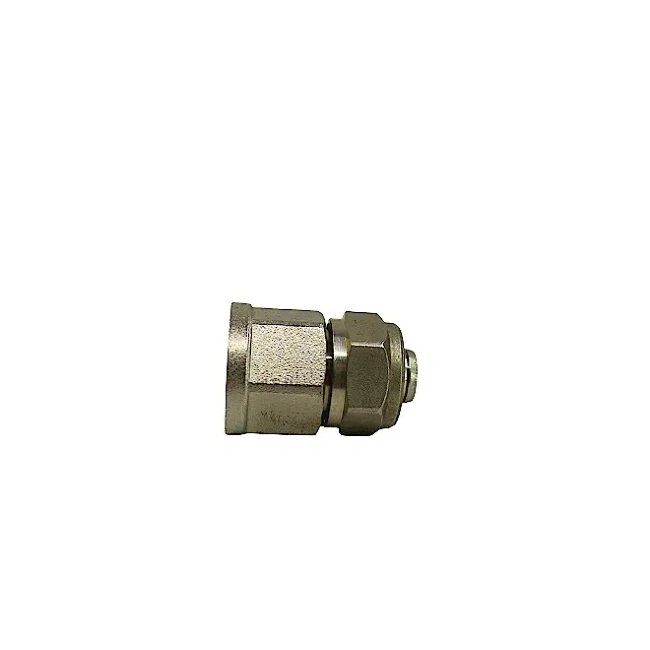
The size of the threads on the brass fitting plays a significant role in determining how many wraps of Teflon tape are necessary. Larger threads, or those with more significant gaps between them, may require more wraps of tape to ensure a tight seal. On smaller fittings, 2–3 wraps are often sufficient to fill the gaps and create a secure connection.
For larger diameter brass fittings, or when dealing with high-flow applications, more tape may be necessary to ensure a leak-proof seal.
The thickness of the Teflon tape can also affect how many wraps are needed. Thicker tape fills the gaps between threads more efficiently, meaning fewer wraps are required to achieve a tight seal. On the other hand, thinner tape might need additional wraps to achieve the same level of sealing. Quality is also important—high-quality Teflon tape is denser and more durable, offering a better seal with fewer wraps.
The pressure and temperature of the system in which the brass fittings are used also influence the number of wraps needed. In high-pressure systems, or systems exposed to extreme temperatures (such as refrigeration), more wraps may be needed to ensure that the seal holds up under these conditions. For low-pressure systems, fewer wraps are usually sufficient. It’s essential to consider the specifications of the system to determine the proper sealing method.
Different brands of Teflon tape may vary slightly in thickness or quality, and some manufacturers may have specific recommendations for their fittings. Always check the manufacturer’s guidelines to ensure the correct number of wraps. In addition, it’s important to verify that the Teflon tape is compatible with the material of the fitting. Brass is generally compatible with most types of PTFE tape, but some fittings may require additional sealing materials for optimal results.
Before applying Teflon tape, ensure that the threads on both the brass fitting and the connecting pipe are clean and free of debris, dirt, or old sealing material. Any debris left on the threads can interfere with the seal and potentially lead to leaks. Use a clean cloth or brush to wipe down the threads before applying the tape.
When applying Teflon tape to brass fittings, make sure to wrap the tape clockwise, in the same direction as the threads will tighten. This ensures that the tape stays in place as the fitting is screwed into the pipe. Wrapping counterclockwise can cause the tape to unravel as the fitting is tightened, leading to an incomplete seal.
When wrapping the Teflon tape around the male threads of the brass fitting, make sure to cover the end of the male thread but avoid overlapping the first thread. Overlapping the first thread can cause the tape to interfere with the threading process, leading to misalignment and difficulty tightening the fitting.
Using too many wraps of Teflon tape can lead to misthreading or cracks in the brass fitting. Stick to the recommended number of wraps—usually 2–3 wraps for most applications. Over-wrapping can also cause the fitting to become too tight, which could damage the threads or result in a poor seal.
After wrapping the tape and threading the brass fitting into place, tighten the connection using the appropriate torque. Ensure the fitting is not over-tightened, as this can damage the threads and lead to leaks. Once the connection is tight, check for leaks by running water or the intended fluid through the system and inspecting the fitting.
The quality of the brass fitting plays a significant role in ensuring a leak-proof seal. High-quality brass fittings with precise threading and good surface finish make the sealing process easier and more reliable. When fittings are well-made, the need for excessive sealing materials or over-wrapping with Teflon tape is reduced, leading to a more efficient and secure installation.
At Ningbo Hcool Fittings Co., Ltd., we provide high-quality, precision-crafted brass fittings that are designed for easy installation and long-lasting performance. Our brass fittings are made using advanced red punched forging and bronze casting processes, ensuring that the threads are accurate and the surface finish is smooth for a perfect seal. Whether for refrigeration, valves, communication systems, or plumbing, our brass fittings are ideal for minimizing installation challenges and reducing the risk of leaks.
In conclusion, using the right number of wraps of Teflon tape is crucial when installing brass fittings to ensure a tight, leak-proof seal. Depending on the application and system specifications, 2–3 wraps of standard Teflon tape are typically sufficient, but more wraps may be necessary for higher pressure systems or thicker tape. By following the recommended practices and using high-quality brass fittings from Ningbo Hcool Fittings, you can ensure successful installations with minimal risk of leaks.
For more information about our brass fittings or to discuss your specific needs, please contact us today. We are ready to help you find the best solutions for your applications.
1. How many wraps of Teflon tape should be used on brass fittings?
Typically, 2–3 wraps of standard Teflon tape are sufficient for most applications. For higher pressure or extreme conditions, 3–5 wraps may be necessary.
2. Why is Teflon tape used with brass fittings?
Teflon tape helps seal the threads of brass fittings, preventing leaks and compensating for thread imperfections to ensure a secure connection.
3. Can I use Teflon tape on all types of brass fittings?
Yes, Teflon tape is compatible with most types of brass fittings, including NPT and BSP threads, making it a versatile solution for many applications.
4. How can I ensure that my brass fittings are properly sealed?
Clean the threads before applying tape, use the recommended number of wraps, and ensure the tape is wrapped in the direction of tightening to avoid leaks.


