
Views: 0 Author: Site Editor Publish Time: 2025-12-03 Origin: Site
In many water systems, such as those used for plumbing, refrigeration, or water supply, one common question often arises: "Can brass fittings be used for water?" This is especially important for systems involving potable water (drinking water) or process water, where safety, compliance, and durability are crucial. In this article, we will answer this question by exploring the characteristics of brass fittings, the key considerations when using them in water systems, and how they meet the requirements for reliability and safety in these critical applications.
Brass fittings are a popular choice in water systems due to their exceptional durability and resistance to corrosion. Brass, which is primarily composed of copper and zinc, has excellent resistance to rust and corrosion compared to many other metals. This makes it an ideal material for use in water systems, where exposure to moisture, chemicals, and temperature fluctuations is common.
Brass is particularly resistant to the effects of water-related corrosion, making it a reliable choice for both cold and hot water systems. It maintains its structural integrity even in environments with frequent exposure to water, which is crucial for ensuring long-term performance and avoiding costly repairs or replacements.
Additionally, brass fittings are highly tolerant to high temperatures, making them suitable for systems where water may be heated, such as in HVAC systems or refrigeration units. This durability ensures that brass fittings remain intact and functional for years, even under demanding conditions.
Another significant advantage of brass fittings is their compatibility with a wide range of pipe materials. Brass is commonly used with copper, steel, PVC, and PEX pipes, offering versatility in both residential and industrial installations. This compatibility makes brass fittings an excellent choice for water systems, as they can easily be integrated with existing plumbing infrastructure, ensuring a reliable connection.
Furthermore, brass fittings are easy to install and maintain, making them a cost-effective option for many different applications, including plumbing, water supply, and refrigeration systems.
When using brass fittings in water systems, it is essential to distinguish between potable (drinking) water and non-potable water. For potable water systems, materials used in plumbing fittings must meet specific health and safety standards to ensure that no harmful substances leach into the water supply.
In many countries, regulations require that plumbing materials used in drinking water systems be free from lead and other harmful substances. Brass fittings that comply with these regulations, such as those made from lead-free alloys, are safe for use in potable water systems. For non-potable water systems, such as industrial or irrigation applications, brass fittings can often be used without the same stringent requirements, as long as the water does not come into contact with food or drink.
One of the critical factors in determining whether brass fittings can be used for water is compliance with regulatory standards. Many countries and regions have strict requirements for plumbing materials used in potable water systems. In particular, lead-free brass fittings are essential for ensuring that drinking water remains safe and free from contaminants.
Brass fittings used in potable water systems must be certified to meet specific standards, such as NSF/ANSI 61 in the United States, which regulates materials that come into contact with drinking water. The NSF certification ensures that the brass fittings are free from harmful substances like lead and that they are safe for use in water systems.
It’s important to ensure that any brass fittings used in water applications are properly certified for their intended use, especially in potable water systems. At Ningbo Hcool Fittings, we offer brass fittings made from lead-free alloys such as HPb 59-1, CW 614N, and C36000, which are designed to meet regulatory standards for water systems.
Although brass fittings are durable, they can still pose risks if not carefully selected for specific water conditions. One of the most significant risks is lead leaching, which occurs when brass fittings containing lead are exposed to water for extended periods. Lead leaching can contaminate drinking water, posing serious health risks. This is why lead-free brass alloys are essential for potable water applications.
Another risk to consider is dezincification, which is a form of corrosion that can occur in brass fittings when exposed to certain water chemistries. Dezincification leads to the selective removal of zinc from the brass alloy, weakening the material and compromising the integrity of the fitting. This can occur in water with high acidity, high chloride content, or other aggressive chemical properties.
To prevent these issues, it is essential to choose brass fittings made from high-quality, corrosion-resistant alloys and to consider the water chemistry of the system where they will be used.
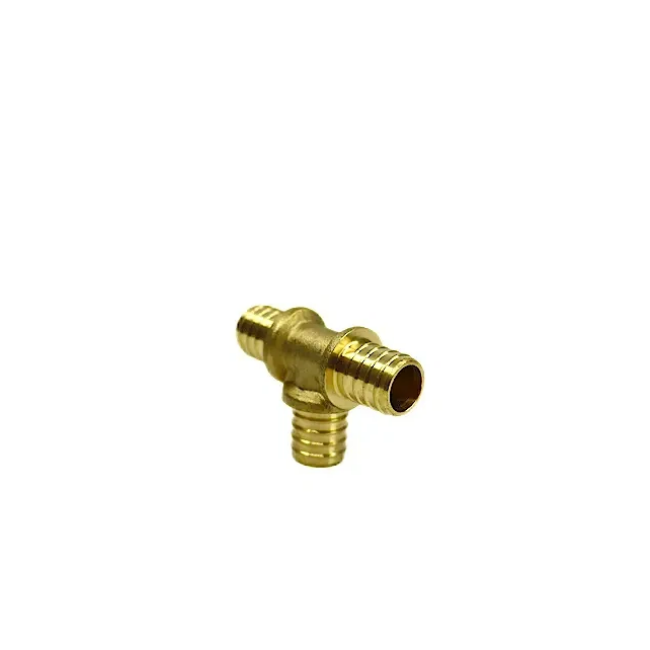
The alloy composition of brass fittings plays a crucial role in determining their suitability for water systems. Alloys such as HPb 59-1, CW 614N, and C36000 are commonly used in brass fittings because they offer excellent corrosion resistance and are less likely to suffer from dezincification or lead leaching. These alloys are well-suited for use in water systems and are compliant with the relevant standards for potable water.
When selecting brass fittings for a water system, ensure that the alloy is specified and that it meets the necessary regulatory requirements. Choosing the right alloy can help prevent problems related to corrosion, material degradation, and health risks associated with lead.
For potable water applications, it is essential to verify that the brass fittings are lead-free and certified by relevant regulatory bodies. In the United States, for example, fittings used in drinking water systems must be certified by NSF/ANSI 61 to ensure they meet the required standards for safety and performance.
Make sure that the brass fittings you choose are marked with the appropriate certifications and lead-free markings. This will provide peace of mind that the fittings are compliant with safety standards and are suitable for use in potable water systems.
The chemical properties of water, such as hardness, pH, and chloride levels, can affect the performance and longevity of brass fittings. Water with high hardness can lead to mineral buildup in the fittings, while highly acidic or alkaline water can accelerate corrosion. Water with high chloride levels can also contribute to dezincification, which weakens the brass fittings.
Before selecting brass fittings, it is important to assess the water chemistry of the system where they will be used. If the water has high chloride content or other aggressive properties, consider using brass fittings that are specially designed to resist corrosion in such conditions.
Proper installation of brass fittings is crucial to ensuring a leak-free and long-lasting water system. When installing brass fittings, make sure to apply the appropriate amount of thread sealant, such as Teflon tape or pipe joint compound, to prevent leaks. However, be careful not to over-tighten the fittings, as this can cause damage to the threads or the fitting itself.
Additionally, ensure that the brass fittings are properly aligned and that they are not subjected to excessive stress or pressure. Over-stressing the fittings can lead to premature failure, leaks, or damage.
After installation, it is important to monitor the brass fittings for signs of corrosion or dezincification, especially in systems with hard or acidic water. Periodically inspect the fittings for discoloration, pitting, or weakening, as these can be indicators of corrosion.
If you notice signs of corrosion, it may be necessary to replace the fittings or treat the water to reduce its aggressiveness. Regular maintenance and monitoring can help extend the life of the brass fittings and ensure the continued reliability of the system.
To ensure the quality and durability of brass fittings, it is essential to choose a trusted supplier that offers high-quality products. At Ningbo Hcool Fittings, we provide customized brass fittings that are tailored to meet the specific needs of your water system. Our products are made from high-quality alloys and are designed to comply with industry standards, ensuring optimal performance and longevity.
At Ningbo Hcool Fittings Co., Ltd., we specialize in manufacturing high-quality brass fittings that are ideal for water systems, including those used for plumbing, refrigeration, and water supply. Our brass fittings are made using advanced red punched forging and bronze casting techniques, ensuring precision and durability. We offer a wide range of customizable fittings to suit the needs of different industries, including those requiring lead-free and corrosion-resistant materials.
Our brass fittings are designed to meet the most demanding applications, providing reliable and long-lasting performance in both potable and non-potable water systems. Whether you need fittings for residential, commercial, or industrial applications, our products are built to ensure the safety and efficiency of your water system.
In conclusion, brass fittings can be used effectively in water systems, but it is essential to choose the right alloy, ensure compliance with regulatory standards, and take care during installation and maintenance. By selecting high-quality brass fittings from Ningbo Hcool Fittings Co., Ltd., you can ensure that your water system is safe, reliable, and compliant with all relevant regulations. Our custom-made brass fittings are designed to provide optimal performance in both potable and non-potable water systems, ensuring long-term reliability and safety.
For more information or to discuss your specific needs, please contact us today. We are ready to provide you with the best solutions for your water system.
1. Can brass fittings be used in potable water systems?
Yes, brass fittings can be used in potable water systems, provided they are made from lead-free alloys and comply with relevant safety standards such as NSF/ANSI 61.
2. What are the risks associated with using brass fittings in water systems?
The main risks are lead leaching (in non-lead-free alloys) and dezincification, especially in systems with aggressive water chemistries, such as high acidity or chlorides.
3. How can I ensure my brass fittings are suitable for water systems?
Ensure the fittings are made from certified lead-free alloys, check for relevant certifications, and consider the water chemistry before installation.
4. What is dezincification in brass fittings?
Dezincification is the selective leaching of zinc from brass in certain water chemistries, which can weaken the material and affect its performance. Regular maintenance and the correct alloy selection can help prevent this.


